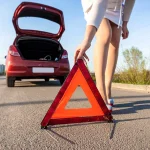
Roadside trouble can ruin a good day fast. One minute, you are driving to work, school, or home. Then, suddenly, a tire goes flat. A battery dies. Your gas light stays on too long. Or your car starts acting strange in traffic. That feeling can be scary, especially when kids, pets, or bad weather are involved. However, you can lower that stress with a simple plan. You do not need to be a car expert. You only need a few smart habits, the right supplies, and a clear idea of who to call. This blog will help you prepare before trouble starts. As a result, you can feel safer, calmer, and more ready on the road.
. Build A Roadside Emergency Kit That WorksA good emergency kit can save time and lower fear. Also, it helps you stay safe while you wait for roadside assistance. Keep the kit in your trunk or cargo area. Then, check it every few months.
Here are smart items to pack:
- Flashlight with extra batteries
- First aid kit
- Jumper cables or battery pack
- Tire pressure gauge
- Reflective triangles or road flares
- Phone charger or power bank
- Bottled water
- Snacks that last
- Gloves and a rain poncho
- Blanket or warm jacket
Also, add medicine, baby items, or pet supplies when needed. These small things matter during long waits.
“Prepared drivers often stay calmer because they know their next step.”
So, build your kit now. Later, you will thank yourself.
. Check Tire Pressure Often To Prevent FlatsYour tires touch the road every second you drive. Therefore, they need regular care. A weak tire can cause a blowout, poor braking, or loss of control. So, check your tire pressure at least once a month.
Also, look for cracks, nails, bald spots, and uneven wear. If one tire looks low, do not ignore it. It may have a slow leak. Next, check your spare tire. Many drivers forget it until they need it.
Use this simple table as a guide:
| Tire Check | Why It Matters | How Often |
| Tire pressure | Helps braking and fuel use | Monthly |
| Tread depth | Helps grip the road | Monthly |
| Spare tire | Helps during flats | Every 3 months |
| Sidewall damage | Prevents blowouts | Monthly |
Because tires carry your whole car, treat them as a safety item.
. Maintain Your Car Battery Before TripsA dead battery can leave you stuck anywhere. It may happen at work, outside a store, or in your driveway. However, your car often gives warning signs first.
Watch for slow starts, dim lights, or clicking sounds. Also, check for white or green buildup on battery posts. That buildup can block power. If your battery is older than three years, test it before long trips.
Here are simple battery habits:
- Turn the lights off before leaving the car
- Unplug chargers when parked
- Test the battery before extreme weather
- Keep jumper cables in your car
- Call for help when the car will not start
Because heat and cold both strain batteries, do not wait for failure. A quick test can prevent a bad morning.
. Plan Fuel Stops To Avoid Running OutRunning out of gas feels simple, but it can become dangerous. For example, it may happen on a busy road or late at night. Also, walking for fuel can put you at risk.
So, try not to let your tank drop below one-quarter full. This habit gives you more choices. It also helps during traffic, storms, or road closures. Before long drives, check your route. Then, note fuel stops along the way. This matters even more in rural areas.
“Your gas tank is part of your safety plan, not just your travel plan.”
Also, never count on the next station being open. Instead, stop early when you can. That small choice may prevent a stressful roadside emergency.
. Know The Right Steps After A Car BreakdownA breakdown can make your heart race. Still, your first moves matter most. Stay calm, slow down, and move away from traffic when possible. Then, turn on your hazard lights.
Simple Breakdown Steps
First, pull onto the shoulder or a nearby parking lot. Next, set your parking brake. After that, stay inside if traffic is heavy. If you must exit, use the side away from traffic.
Then, call for roadside assistance. Share your location, car type, and problem. Also, mention nearby signs, exits, or landmarks.
Do not stand behind or in front of your car. Other drivers may not see you in time. Instead, stay alert and visible. This plan helps protect you and your passengers.
Save Roadside Assistance Contacts In Your Phone
When stress hits, it gets harder to think clearly. Therefore, save important numbers before you need them. Add your insurance company, a trusted repair shop, family members, and a roadside assistance contact.
Also, write these numbers on paper. Phones can die, break, or lose service. Keep the paper in your glove box.
Helpful contacts include:
- Emergency services
- Insurance claims number
- Local towing provider
- Family or close friend
- Mechanic or repair shop
- Workplace or school contact
Also, share your trip plans with someone before long drives. Tell them your route and expected arrival time. If something goes wrong, they will know where to start. This simple step gives you a stronger safety net.
Learn Car Warning Signs That Signal Trouble
Your car often speaks before it fails. However, it uses sounds, smells, lights, and feelings. So, pay attention when something changes.
A squeal may mean brake trouble. A burning smell may mean a belt or fluid issue. A shaking steering wheel may point to tire or brake problems. Also, warning lights should never become “normal.”
Do not ignore these signs:
- New grinding, knocking, or squealing sounds
- Smoke from under the hood
- Strong fuel or burning smell
- Pulling to one side
- The brake pedal feels soft
- Engine temperature rises
- The battery or oil light stays on
Because small issues can grow fast, act early. A repair visit today may prevent a tow tomorrow.
Prepare Your Family For Roadside Emergencies
Roadside safety is not only about the driver. Everyone in the car should know the plan. This includes kids, teens, and older family members.
Explain what to do during a breakdown. For example, kids should stay buckled until you say otherwise. Teens should know how to share their location. Adults should know where the emergency kit is stored.
Also, set simple rules. Do not wander near traffic. Do not accept help from strangers without caution. Do not leave the car unless it is safer to do so.
Practice before a trip. It may feel silly, but it helps. When everyone knows their role, panic drops. As a result, your family can respond faster and safer.
Stay Ready For Roadside Emergencies Anywhere
When you plan ahead, roadside challenges don’t seem so daunting. Start with a full kit, good tires, a checked battery, and plenty of petrol. Then study your car’s warning signs and save important contacts. Most importantly, before stress takes over, develop a clear plan.
Good preparation saves your time, money, and peace of mind. It also helps to keep your loved ones protected in times of trouble. Hooked 360 LLC provides Jacksonville drivers with 24/7 roadside assistance, including towing, fuel delivery, flat tire service, and jump starts.