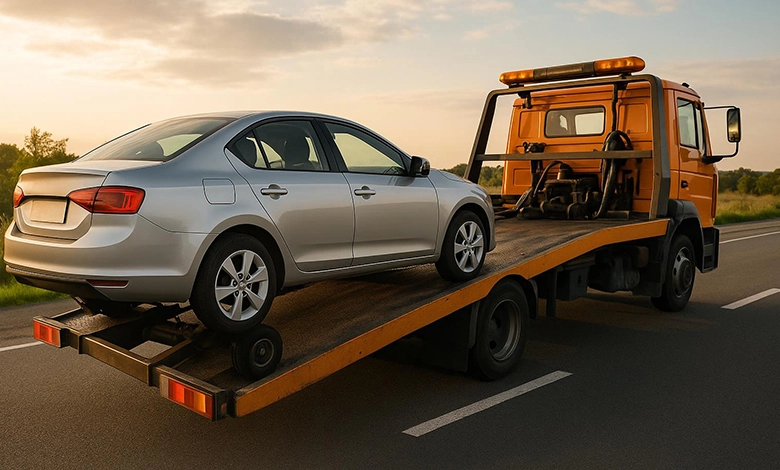
Towing can feel simple until something goes wrong. Maybe the trailer sways. Maybe the car will not stay steady. Or maybe you hear a strange sound and wonder, “Did I hook this up right?” That worry is real, and it matters. When you tow the wrong way, you risk damage, delays, tickets, or worse. However, a few smart habits can keep you safer. The good news is that most towing mistakes are easy to avoid when you know what to check. According to NHTSA, unsecured loads cause more than 700 deaths each year, so small safety steps matter. This blog explains the most common mistakes in clear terms, so you can tow with more confidence.
. Respect Your Vehicle Tow Rating To Stay SafeMany drivers guess what their vehicle can pull. However, guessing can lead to big trouble. Your tow rating tells you the safe weight limit. You can find it in the owner’s manual or on the maker’s website.
If you go over that limit, your engine, brakes, and tires work too hard. Also, your vehicle may not stop in time. That can turn one small trip into a dangerous ride.
Before any towing job, check three things:
- The weight of the trailer
- The weight of the cargo
- The maximum towing rating of your vehicle
“Safe towing starts before you move. It starts with knowing your limits.”
So, do the math first. Then, remove extra cargo if needed. As a result, your ride will feel steadier, and your vehicle will last longer.
. Load Your Trailer Correctly To Prevent SwayPoor loading causes many towing problems. For example, too much weight in the back can make the trailer sway. Too much weight in the front can push down hard on the hitch.
A balanced load helps the trailer track straight. Also, it helps your tires wear better. Most of the heavier items should sit low and near the front half of the trailer.
Here is a simple guide:
| Loading Area | What Can Go Wrong | Better Choice |
| Too much rear weight | Trailer sway | Move the weight forward |
| Too much front weight | Hard steering | Spread the weight out |
| Loose cargo | Falling items | Tie items down |
| Highly stacked cargo | Poor balance | Keep weight low |
Also, secure everything before you leave. NHTSA says every driver must make sure cargo stays safely secured.
. Match Hitch And Ball Size To Your TrailerThe hitch and ball must match the trailer. Yet many people mix parts because they “look close enough.” That is risky. A loose fit can cause the trailer to bounce, shift, or disconnect.
Before you start towing, check the ball size stamped on the coupler. Then, match it to the hitch ball. Also, make sure the hitch class fits the load.
Quick hitch check
Look for these signs before driving:
- The coupler locks fully
- The safety pin is in place
- The ball size matches
- The hitch has no cracks
- The mount does not wobble
Then, pull forward slowly and brake once. This small test can reveal loose parts. In turn, you can fix the issue before reaching traffic.
. Always Connect Safety Chains When TowingSafety chains are not just extra metal. They are backup protection if the trailer comes loose. Federal motor carrier rules note that full trailers need safety devices to help prevent a breakaway if the tow bar fails.
Still, some drivers hook chains too low, too loose, or not at all. That mistake can let the tongue hit the road. Also, it can make control much harder.
Use this simple chain rule:
- Cross the chains under the trailer tongue
- Leave enough slack for turns
- Do not let chains drag
- Attach hooks to strong points
- Check clips before each trip
“Chains do not mean you expect failure. They mean you respect risk.”
Because of that, never skip them.
. Check Trailer Tires Brakes And Lights FirstMany drivers focus on the hitch and forget the rest. However, tires, brakes, and lights are just as important for safe towing.
Trailer tires can lose air while sitting. Also, old tires can crack even when the tread looks fine. Low air pressure builds heat, and heat can cause blowouts.
Before each trip, check:
- Tire pressure on the tow vehicle and trailer
- Tire age, cracks, and bulges
- Brake lights and turn signals
- Trailer brakes, if equipped
- Wheel lugs and visible damage
Then, test the lights with a helper. If you are alone, use a wall or window reflection. This takes two minutes. However, it can prevent a crash, a ticket, or a roadside stop.
. Adjust Driving Habits When Towing A TrailerA trailer changes everything. Your vehicle gets longer, heavier, and slower to stop. So, you need more room and more patience.
When towing, drive slower than usual. Also, leave extra space between you and the next car. Sudden moves can cause sway. Sharp turns can clip curbs or signs.
Here are smart habits:
- Start slow
- Brake early
- Take wide turns
- Avoid sudden lane changes
- Use mirrors often
- Pull over if sway starts
If the trailer sways, do not jerk the wheel. Instead, ease off the gas and hold steady. Then, slow down in a safe way. After that, stop and check your load.
. Plan Ahead For Towing Breakdowns And DelaysBreakdowns feel scary because they come without warning. Yet a simple plan can lower stress fast. Before a towing trip, know who to call, where your tools are, and how to stay visible.
Keep these items in your vehicle:
- Flashlight
- Warning triangles
- Gloves
- Tire gauge
- Phone charger
- Basic first-aid kit
- Proof of insurance
Also, move away from traffic when safe. Turn on hazard lights. Then, call for help from a safe spot. If you are in Jacksonville, Hooked 360 LLC provides towing and roadside support, including fuel delivery, flat tire help, jump starts, and vehicle help for cars, SUVs, and motorbikes.
. Call For Roadside Help Before It Is UrgentSome drivers keep going even when something feels wrong. However, strange smells, shaking, swaying, or grinding sounds need attention. Waiting can turn a small fix into a large repair.
So, trust your gut. If the trailer pulls oddly, stop safely. If the brakes feel weak, do not push forward. If cargo shifts, pull over and reset it.
Common warning signs include:
- Burning smell
- Trailer sway
- Odd tire noise
- Loose straps
- Flickering lights
- Heavy steering
- Long stopping distance
The best choice is simple: stop early. Then, check the setup or call a trained tow operator. As a result, you protect your vehicle, your load, and everyone near you.
Avoid These Towing Mistakes To Protect Your Trip
Safe towing is not about luck. It is about steady habits. First, know your weight limits. Then, load the trailer well. After that, check the hitch, chains, tires, brakes, and lights. Also, drive slower and leave more space. These steps help you avoid stress, damage, and danger. More importantly, they help you feel calm when the road gets busy. So, before your next trip, take a few minutes to check the basics. For emergency service help in Jacksonville, Hooked 360 LLC provides towing when drivers need vehicle transport or roadside support.